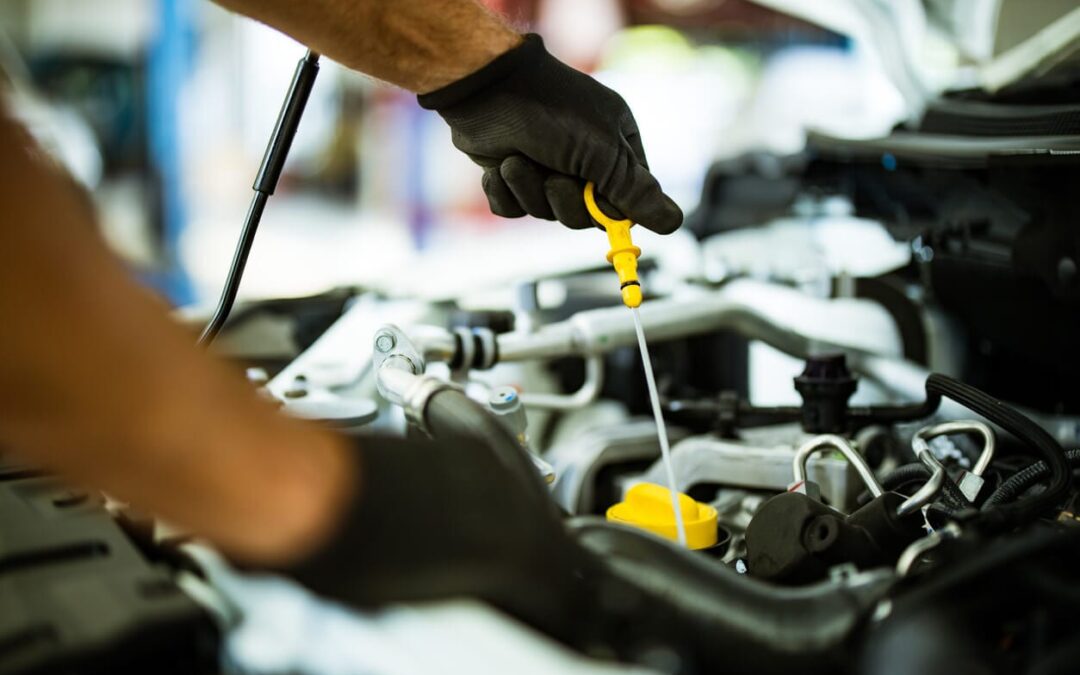
Routine oil changes are a vital aspect of responsible vehicle ownership, and car owners in Slidell, LA can greatly benefit from getting this essential service from a local auto mechanic. Slidell’s diverse climate, with its hot and humid summers, can subject engines to increased stress and wear. Regular oil changes help maintain optimal engine performance by providing proper lubrication and reducing friction, preventing costly repairs down the line. Local auto mechanics in Slidell understand the specific needs of vehicles in the area, offering expert advice and using high-quality oils tailored to combat the unique challenges posed by the local environment. By entrusting their routine oil changes to a trusted local mechanic, car owners in Slidell can ensure the longevity, efficiency, and reliability of their vehicles.
1. Engine Efficiency
Regular oil changes not only keeps your engine clean, it also improves its performance. Oil naturally carries dirt, debris, and various other particles as it flows into the engine. As a result, sludge begins to accumulate inside the device over time. Those that are not having the oil changed in correct time periods may discover a considerable modification in their engine performance and output as a result of the gathered particles inside. Changing your engine oil and replacing your filters regularly will help you prevent a slow-working, inefficient engine.
2. Better Mileage
An efficient engine provides the very best mileage when traveling. To do that, it is important to keep your engine clean and free of debris with a routine oil change. As engines run efficiently with fresh oil, their performance changes and so does the capacity to utilize fuel much more efficiently. This suggests, far better gas mileage and significant cost-savings.
3. Engine Longevity
Filthy oil usually has gunk that causes increased friction and faster wear-and-tear. A cleaner engine runs smoother, works proficiently and typically has a longer life also. This means you’ll spend less at the auto repair shop on costly repairs in the future.
4. Eco-Friendly
Gradually, heat degrades engine oil and releases gases. This process likewise facilitates the buildup of sludge inside the machine. Therefore, the released gas from your car will certainly include harmful hydrocarbons that are dangerous to the environment. Changing your automobile’s oil consistently assist you pollute less.
5. Protects Engine
Regular cleansing certainly protects your vehicle’s engine from excess wear-and-tear, friction and sludge build-up. That suggests, by changing your car’s oil, you can secure its engine and assist it run flawlessly and easily.
6. Keeps Engine Components Cool
Engine components, under the hood, generate a lot of heat as they move at high speeds. Fresh oil maintains correct lubrication, so all moving parts create minimal friction which in turn avoids overheating the engine components.
7. Worry-free Emissions Test
A smooth-running engine suggests reliable performance and much better mileage. Plus, it helps you to quickly pass the emission test without any trouble. Simply by getting routine oil-changes, your car will run effectively with better mileage.
Apart from the numerous benefits of getting routine oil changes, many oil change services include a multi-point inspection. This indicates that if there are any kind of problems with your engine, the service technician will let you know.
Prestige Auto Works is happy to help you with appropriate engine maintenance. Schedule an oil change with us today to ensure your car’s engine stays in top shape.
- About the Author
- Latest Posts
With more than two decades of experience, Prestige Auto Works stands as an authority in the automotive industry in Slidell. Our team is bolstered by top-level dealer certifications and the constant presence of an ASE master technician, ensuring expertise in everything from routine maintenance to complex engine replacements.