
Vehicles, like us, require consistent care and attention to remain in peak condition. It’s not just about aesthetics or preventing breakdowns; proper maintenance extends your car’s lifespan and ensures safety. Derived from insights of the professional automotive elite, here’s your comprehensive guide to treating your car the way it deserves.
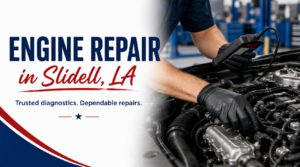
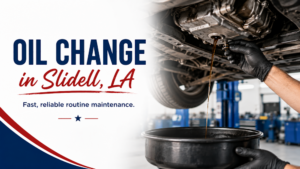
The engine: the beating heart of your vehicle. Its health and performance often dictate the overall condition of your car. Regular oil changes, for instance, are pivotal. Old, sludgy oil can drastically reduce your engine’s life. According to a study by the U.S. Department of Energy, regular oil changes can improve your gas mileage by 1–2%, which can significantly impact long-term savings.
Optimal Oil Rituals
Choosing the right type of oil isn’t about brand loyalty; it’s about understanding your car’s specific needs. Synthetic oils, for instance, tend to last longer and withstand higher temperatures, making them perfect for newer models.
Timing Belt Truths
Your timing belt synchronizes the engine’s functions. Ignoring its replacement can cause severe engine damage. Professionals often recommend replacements every 60,000 to 100,000 miles to ensure optimal performance.
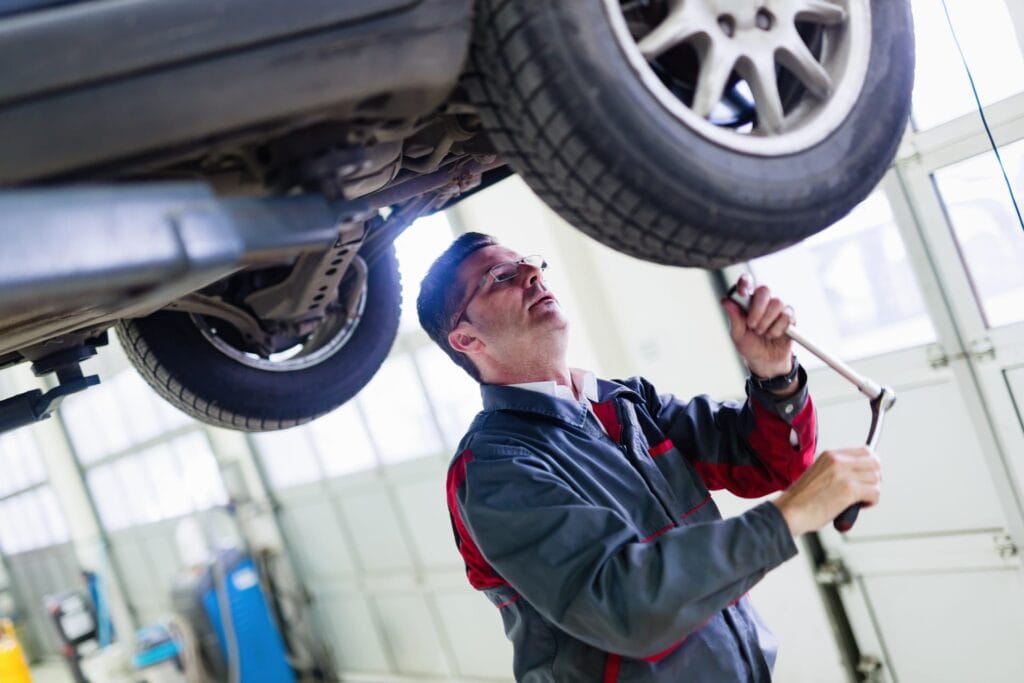
Tires – The Silent Performers
Tires impact everything from fuel efficiency to safety. Regular maintenance can mean the difference between a close call and a catastrophe.
An under-inflated tire can increase fuel consumption and wear out faster. Regular checks, ideally monthly, can help spot problems early on. The National Highway Traffic Safety Administration suggests that proper tire maintenance can save you up to 11 cents per gallon on fuel.
Regular rotation ensures even tire wear, helping prolong their life. It also enhances fuel efficiency and ensures that your car handles in a steady and predictable manner, especially while turning.
The Battery Boost Few Talk About
A weakening battery doesn’t just mean trouble starting your car. It can impact other components, causing them to malfunction. Regular checks and understanding the warning signs can save you from unexpected hassles. Professionals often recommend batteries from reputable brands, given their longer life and reliability.
Brakes Beyond Basics
No amount of engine performance or luxury can compensate for compromised safety. Brakes are essential, and regular check-ups can prevent potential disasters.
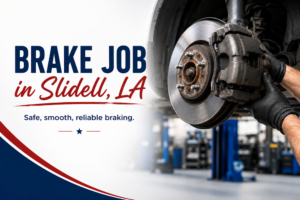
Understanding brake wear is vital. If your brakes squeal or you feel vibrations when using them, it might be time for a replacement. Most pros emphasize the importance of not just the brake pads but also other components like rotors and calipers.
Fluids You’ve Probably Overlooked
Your car relies on various fluids, each serving a crucial purpose. From ensuring smooth gear shifts to preventing overheating, these fluids are indispensable.
Transmission and brake fluids are often overlooked. Regular check-ups can prevent possible costly repairs. Consider visiting recommended places that specialize in fluid services to ensure top-notch service.
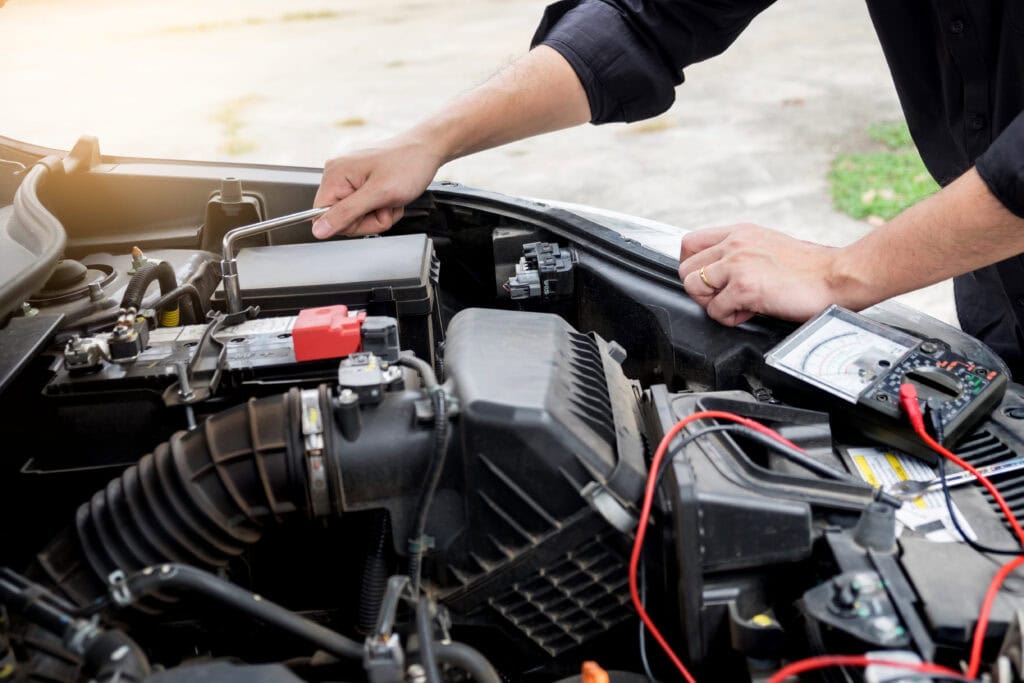
Filters and Fresh Air Fantasies
Clean air isn’t just a human necessity; your car craves it too. Whether it’s the engine air filter or the cabin air filter, ensuring they’re clean can significantly impact performance and in-car air quality.
Glistening Exteriors and What They Hide
A gleaming exterior isn’t just about pride in your vehicle’s appearance. Regular washing removes corrosive substances like salt and protects against environmental factors like UV rays. Detailing goes beyond washing, offering protective layers that can preserve your car’s paint and finish. Seek out locally favored car wash and detailing services for the best results.
Insider Tips on Tech Upgrades
Modern problems require modern solutions. Upgrading onboard tech isn’t about luxury or showboating, it’s about safety and performance. Professional automotive services can seamlessly integrate tech enhancements, ensuring compatibility and functionality.
Caring for your vehicle is a blend of routine maintenance and understanding the subtle signs your car gives you. With insights from the professional automotive sphere, this guide is a blueprint to ensure your vehicle remains in top-notch condition. Remember, a car in peak condition isn’t just a matter of pride; it’s about safety, performance, and long-term savings. Pew Research Center data indicates that car longevity significantly impacts overall consumer satisfaction. Regular care is the key.
Key Takeaways
- Regular oil changes and using the right type of oil, like synthetic, can extend engine life and improve fuel economy.
- Timing belt replacements every 60,000–100,000 miles help avoid major engine damage.
- Proper tire inflation and rotation increase safety, fuel efficiency, and tire longevity.
- Routine battery and brake system checks prevent unexpected failures and ensure safe operation.
- Transmission, brake, and other fluid maintenance helps avoid costly repairs.
- Clean air filters improve engine performance and cabin air quality.
- Regular washing and detailing preserve your car’s paint and protect against environmental damage.
- Tech upgrades can enhance safety, performance, and driving comfort when professionally installed.
Frequently Asked Questions
- How often should I change my oil?
Most vehicles require an oil change every 3,000 to 7,500 miles depending on the oil type and driving habits. Check your owner’s manual for specifics. - What are signs my timing belt needs replacement?
Common signs include ticking noises from the engine, trouble starting, or visible wear if inspected. Replacements are usually recommended between 60,000 and 100,000 miles. - Why is tire rotation necessary?
Rotating your tires every 5,000 to 8,000 miles promotes even wear, better handling, and longer tire life. - When should I check my car battery?
Have your battery tested at least twice a year, especially before winter and summer when temperature extremes can affect performance. - What fluids should I regularly check?
Transmission, brake, coolant, power steering, and windshield washer fluids should all be checked and maintained regularly. - How often should I replace air filters?
Engine air filters should be replaced every 15,000 to 30,000 miles, and cabin air filters every 12,000 to 15,000 miles or as needed based on driving conditions. - Is detailing my car really necessary?
Yes. Detailing protects your car’s paint, improves resale value, and can help preserve interior and exterior surfaces from wear and damage. - Are tech upgrades worth it?
Yes, especially safety-focused upgrades like backup cameras, sensors, and navigation systems. Have them professionally installed to avoid compatibility issues.