

The desire for more power and exhilarating performance often leads car enthusiasts to explore aftermarket upgrades, with superchargers being a popular option. A supercharger can significantly enhance an engine’s performance by increasing horsepower and torque. However, it’s important to understand that not all cars are suitable candidates for supercharger installations. In this article, we will delve into the key considerations and provide you with everything you need to know about whether you or your local auto repair shop can put a supercharger on any car.
Compatibility with Engine Design
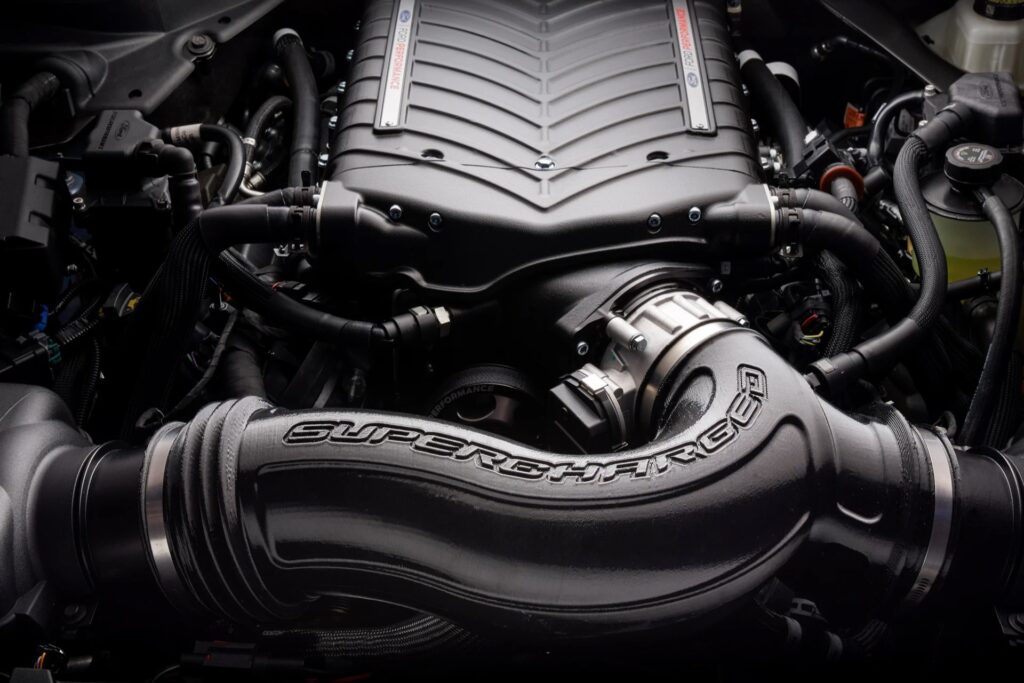
One of the primary factors determining whether a car can accommodate a supercharger is the engine design. Superchargers are typically engineered to work with specific types of engines. The size, displacement, and architecture of the engine play a crucial role in compatibility. Engines with limited space, unconventional designs, or structural limitations may not be suitable for a supercharger installation.
Strength of Internal Components
Supercharging introduces additional stress and pressure to the engine’s internal components. It is essential to evaluate the strength and durability of these components to ensure they can handle the increased power and torque. Factors such as pistons, connecting rods, crankshafts, and the engine block’s structural integrity must be considered. In some cases, engine modifications or upgrades may be necessary to ensure reliability and longevity.
Fuel and Ignition System Upgrades
Superchargers force more air into the engine, necessitating upgrades to the fuel and ignition systems. To maintain the proper air-fuel ratio, the fuel injectors, fuel pumps, and other fuel system components may need to be upgraded. Similarly, the ignition system must be capable of handling the higher cylinder pressures and providing adequate spark under the increased load.
Cooling and Heat Management
The increased compression and power generated by a supercharger result in higher temperatures. It is crucial to have a robust cooling system to dissipate the additional heat effectively. Upgraded radiators, intercoolers, and heat management solutions are often necessary to prevent overheating and potential engine damage.
Transmission and Drivetrain Considerations
The added power and torque of a supercharged engine can put stress on the transmission and drivetrain components. Evaluating the capabilities of the existing transmission, clutch, axles, and differential becomes vital. Upgrades or reinforcements may be required to ensure they can handle the increased load and provide reliable power delivery to the wheels.
Tuning and Calibration
Installing a supercharger is not a simple plug-and-play process. Proper tuning and calibration are essential to optimize performance, reliability, and drivability. The engine control unit (ECU) must be reprogrammed to account for the increased airflow, fuel delivery, and other relevant parameters. Professional tuning experts with experience in supercharged setups can fine-tune the engine for maximum power while maintaining reliability and efficiency.
Professional Expertise and Consultation
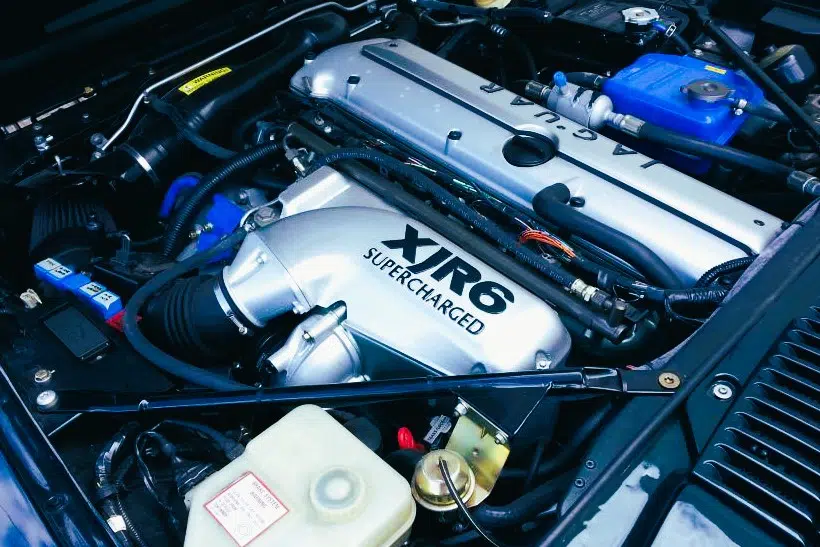
Considering the complexities involved in installing a supercharger, seeking the advice of professionals who specialize in aftermarket upgrades is highly recommended. Automotive experts who have experience with supercharger installations can assess your specific car and provide valuable insights. They can evaluate the compatibility of your car’s engine, recommend necessary modifications, and guide you through the process, ensuring a successful installation.
Warranty and Legal Implications
It is important to consider the impact of installing a supercharger on your car’s warranty. Modifying your vehicle with aftermarket upgrades like a supercharger may void certain aspects of the manufacturer’s warranty. Before proceeding, carefully review your warranty terms and consult with the manufacturer or authorized dealers to understand the potential implications.
Additionally, it is essential to adhere to local regulations and laws regarding aftermarket modifications. Some jurisdictions have strict regulations on vehicle modifications, including superchargers. Ensure that any modifications made to your car comply with the legal requirements of your area to avoid any legal complications.
Cost and Value Considerations
Supercharger installations involve significant expenses beyond the initial cost of the component itself. Upgrades to various engine and vehicle systems, professional tuning, and potential modifications can add to the overall cost. It’s essential to assess whether the investment aligns with the value you expect to gain from the increased performance. Consider your goals, budget, and long-term plans for the vehicle before deciding to proceed with a supercharger installation.
While the allure of a supercharger may tempt many car enthusiasts, it’s important to recognize that not all vehicles can accommodate this aftermarket upgrade. Factors such as engine design, internal component strength, fuel and ignition system capabilities, cooling and heat management, transmission and drivetrain suitability, and proper tuning and calibration are crucial considerations. Proper evaluation, consultation with automotive experts, and adherence to legal requirements are vital steps to ensure a successful supercharger installation from professionals who specialize in supercharger installations is highly recommended. By understanding these key factors and making informed decisions, you can determine whether your car can handle a supercharger and exhilarating performance in your vehicle.
- About the Author
- Latest Posts

With more than two decades of experience, Prestige Auto Works stands as an authority in the automotive industry in Slidell. Our team is bolstered by top-level dealer certifications and the constant presence of an ASE master technician, ensuring expertise in everything from routine maintenance to complex engine replacements.